
I don’t do neutrality. I do liberation.
And I teach therapists, healers, and space holders how to do the same.
I’m Silvana
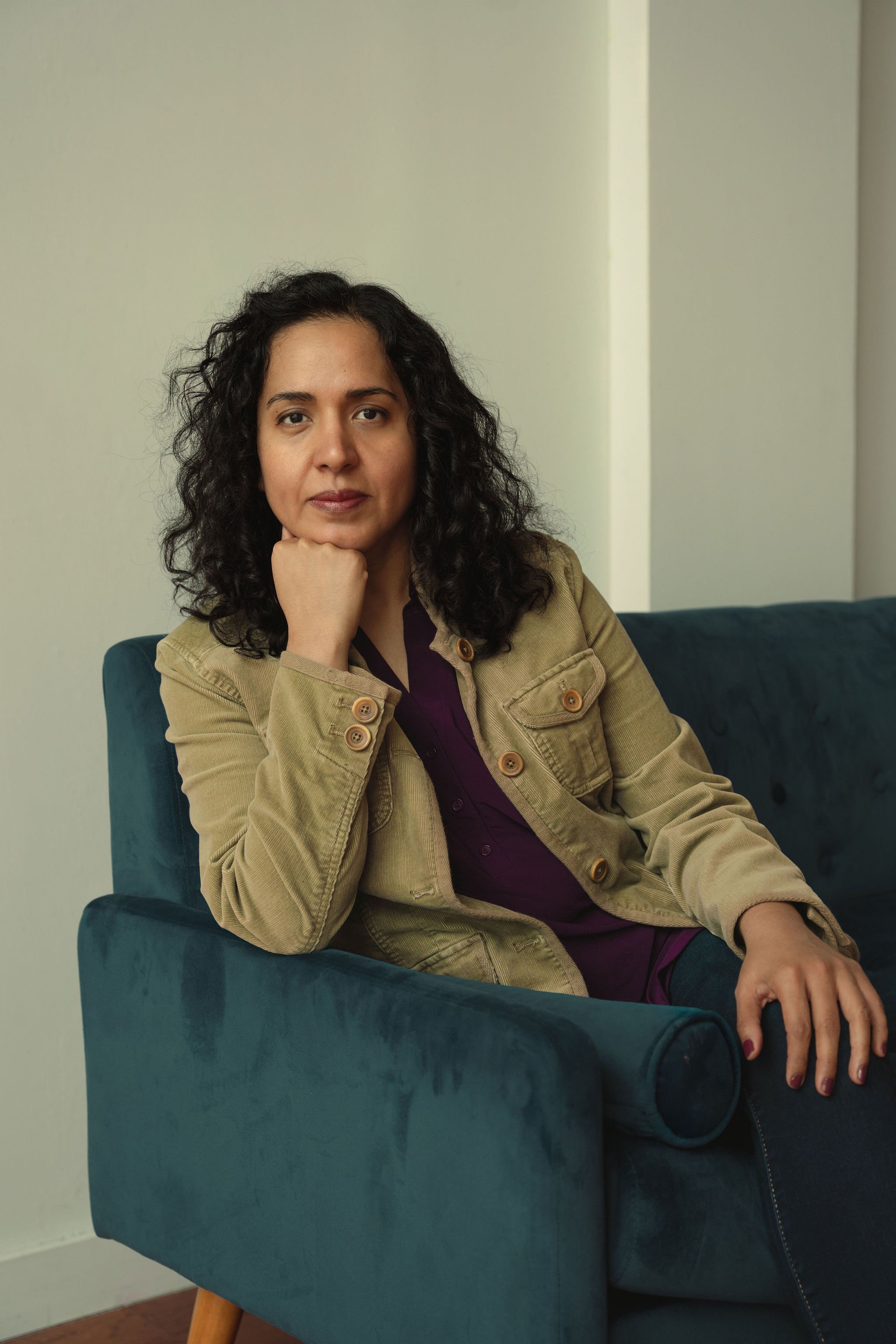
Hi, I’m Silvana Espinoza (she/her/ella).
I’m a liberation and decolonization consultant, therapist, speaker, and educator who works at the intersection of healing justice, identity, grief, and communal care.
I support therapists, healers, and space-holders who are tired of working in colonized systems — and ready to do this work in ways that are more alive, more honest, and more connected to the communities they serve.
This work is not about fixing yourself. It’s about coming home to what was stolen from you — and practicing therapy and healing as a political, relational, and deeply human act.

My work isn’t built on perfectly curated answers —
it’s rooted in lived experience, collective questioning, embodied grief, and a deep, lifelong commitment to liberatory healing. I walk alongside therapists, healers, and space-holders who are ready to do the work of unlearning colonized ways of helping. Folks who want to move beyond rigid protocols, clinical perfectionism, and disembodied professionalism — and return to care that is intuitive, collective, and accountable.
Decolonizing isn’t a checkbox. It’s a remembering. It’s unlearning. A return. A reckoning. And it doesn’t happen in isolation. That’s why I created The Decolonize Your Practice curriculum — to hold space for the messy, tender, imperfect, and brave work of decolonizing our practices, together.
I believe in making room for contradiction. For grief and joy, rage and hope, complexity and softness.
I believe in shifting from extractive models of therapy toward ones that restore dignity, relationship, and cultural memory.
And I believe that even though we inherited systems we didn’t create — we can still choose how we show up inside them.
This work isn’t theoretical for me. It lives in my bones.
I carry it with the urgency of someone who’s lived through systems not made for us — and the hope of someone who’s seen what becomes possible when we stop abandoning ourselves.
What I believe
Therapy is never neutral.
Grief is a portal to liberation.
We can’t think our way out of colonialism — but we can unlearn it, together.
You’re allowed to be a therapist who doesn’t code-switch into whiteness, capitalism, perfectionism, toxic professionalism to feel safe or respected.
Liberation work isn’t sterile. It’s messy, embodied, relational, and nonlinear.
We can do this work without replicating the very harm we want to dismantle.
Who This Work is For
This work is for the therapists, healers, and space-holders who are:
Tired of being the “only one” in white-dominated spaces
Grieving what was missing from their clinical training
Wanting to move from performance to embodiment
Ready to untangle the ways they’ve internalized colonialism — and show up differently
You don’t need to be perfect. You don’t need to have it all figured out.
You just need to be willing to stay in the work, with honesty and heart.
What I Want With and For You
I want this work to feel nourishing and activating.
I want you to feel less alone.
I want you to practice therapy and healing in a way that honors your people, your story, your rage, your joy, and your grief.
I want you to be able to say: “I’m not neutral. I’m rooted. I’m in integrity. I’m in community.”
This is about remembering. Reclaiming. Returning.
My Experience
I’m not going to lead with my credentials, degrees, or licenses — not because I don’t have them, but because they don’t define the why of my work.
I bring to this space:
Over a decade of experience supporting marginalized individuals through a liberatory, decolonial, and communal justice-rooted lens
Formal training as a therapist and clinical supervisor
A deep commitment to embodied unlearning — not just performative “anti-oppression” work
Lived experience as someone who carries multiple marginalized identities (and humbly accepting my privileged identities and the responsibility of them)
Community — because none of us is meant to do this alone
I’ve spoken at universities, led trainings for group practices, offered guidance to clinicians navigating systemic oppression, burnout, vicarious trauma, and developing their true identity, navigating healing while helping others heal, resisting an oppressive system while serving their clients and community, and created a growing body of courses that support decolonial practice in real life.